When we talk about India’s booming digital economy, the conversation is usually dominated by metros like Mumbai, Delhi or Bangalore. However, the real growth, the real growth is happening in Tier-2 and Tier-3 cities–the towns and rural pockets where the ‘next billion users’ are coming online for the very first time. As a result, Mobile App Optimization India is now becoming essential for brands and developers that want to win this rapidly growing market. For brands and app developers, this is a massive goldmine.
Mobile App Optimization India for Budget Phones and Slow Networks
To build a successful app for Bharat, we need to understand the user’s constraints first. In fact, the average user in a Tier-2 or Tier-3 city is not carrying a flagship iPhone or a premium Samsung device. They mostly use budget smartphones with limited internal storage (often 32GB or 64GB) and low RAM.
Moreover, even with 5G rolling out, there are large swaths of the country that still have spotty 3G or 4G coverage, especially indoors or on the road. If your app takes forever to load a single screen, or gobbles up all the phone’s memory, it’s gone.
Technical Strategies for Mobile App Optimization India
To survive and thrive on entry-level Android devices, developers need to shift their approach from “features-first” to “efficiency-first.” Here is how you do it:
Keep it Lightweight (Under 15MB):
First of all, storage space is premium real estate for a budget phone user. Every megabyte counts. By using tools like Android App Bundles (AAB) and removing redundant libraries, developers must aim to keep the initial download size under 15MB. A smaller app, therefore, means friction-free downloads.
Adopt an “Offline-First” Architecture:
In addition, network drops shouldn’t mean app crashes. Building an offline-first capability ensures that the app stores essential data locally (using lightweight databases like SQLite or Hive). Users can still browse cached products or fill out forms offline. Then, the app automatically syncs the data the moment a stable connection returns.
Optimize Image and Media Delivery:
Similarly, high-resolution banners will choke a slow network. Moving to next-gen image formats like WebP or AVIF can reduce image sizes by up to 30% without losing quality. Futhermore, implementing lazy loading ensures images only load when the user scrolls to them, saving precious data.
Leverage Modern Frameworks:
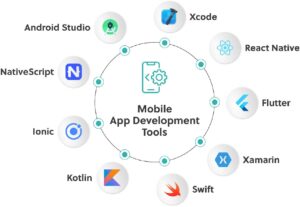
Finally, choosing the right tech stack is crucial. Cross-platform frameworks like Flutter or React Native are excellent for optimizing performance on low-end processors. They offer smooth UI/UX optimization and ensure that the app doesn’t lag or hang, providing a premium feel even on a ₹10,000 smartphone.
The Bottom Line
In conclusion, winning the Indian market requires empathy for the user’s limitations. Brands that respect a user’s data packs, storage constraints, and hardware limitations will build long-term trust. By optimizing your mobile app for lightweight performance and offline resilience, you don’t just build a better product you unlock the true potential of India’s digital revolution.